



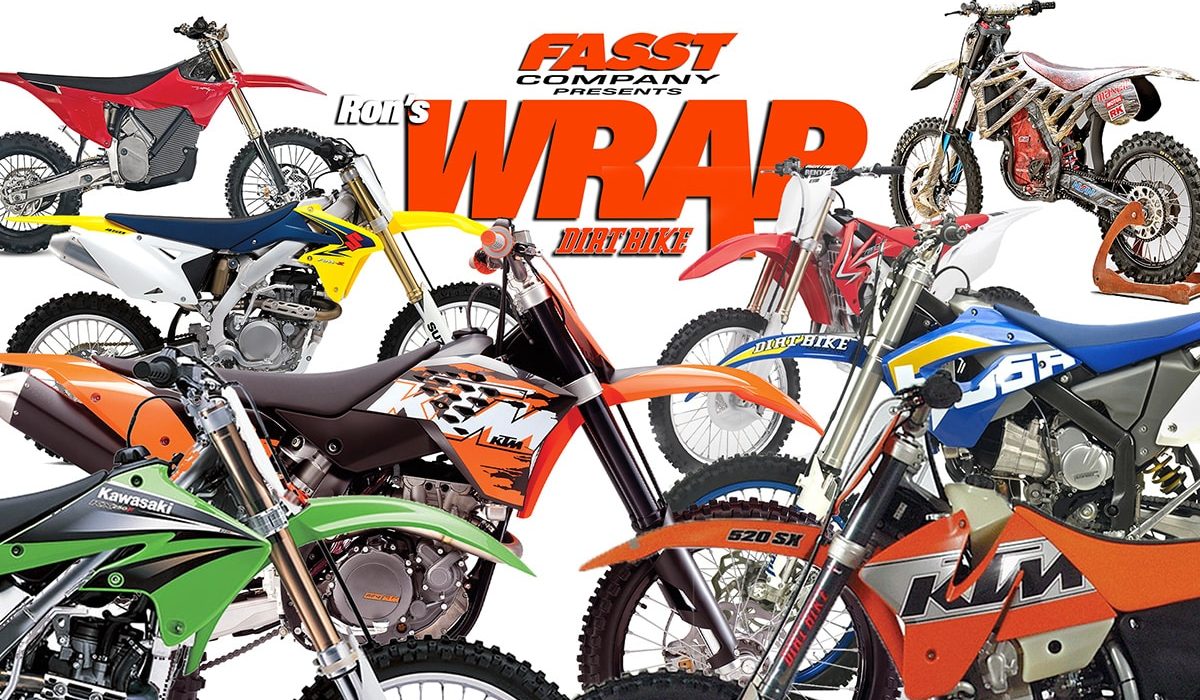
BIGGEST HITS & MISSES OF THE 21st CENTURY (SO FAR)–THE WRAP
Where are our flying cars? How about the moon bases, underwater cities and global harmony that we were promised? A visitor from the previous century might be impressed by cell phones and flat-screen TVs, but by the same token, he’ll wonder what happened to malls and daily newspapers.
In the dirt bike world, the first quarter of the century has been very kind. Some might bemoan the loss of old-school motorcycles, but if they actually take a look, they would find we still have everything that was good about the ‘90s, plus a whole lot more. There certainly have been missteps, but for every disappointment, there’s been a milestone. Now that we are a good 25 percent into the 2000s, it’s a good time to take a look at the highs and lows of the century so far.
HIT: 2000 KTM 520EXC
KTM picked up the distressed pieces of Husaberg to open the door for a new type of off-road bike. The KTM 520 and 400 RFC four-strokes were light, fast and reliable. In fact, to this day, they are still out there, running well. When KTM phased out that motor motor design in 2008, it was a step backwards. Oddly, the RFC motor continued to be used by Beta in a short-lived period of cooperation between the two European makers.
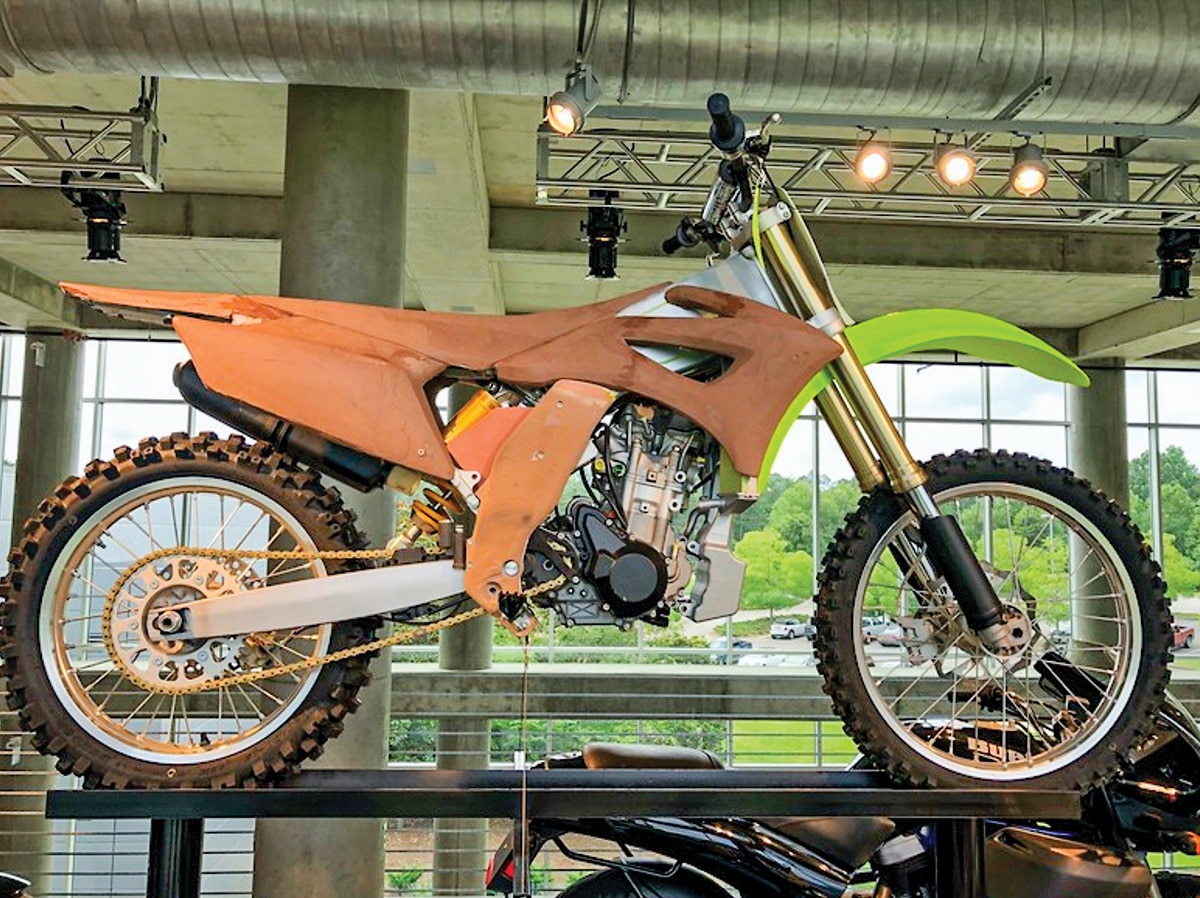
MISS: 2006 BUELL GRIFFIN PROTOTYPE
No one raced this particular motorcycle and very few people even saw it. That, in a nutshell, is why it was so disappointing. In 2005 we got a call from Buell, which was a subsidiary of Harley-Davidson. They told us that Harley wanted to get into the dirt bike market. Again. Sadly, the project was doomed from the start. The motor was made by Bombardier and it was already outdated in 2006. It eventually landed in the Can-Am DS450 ATV. Dave Osterman did an amazing job with it, but the project was canned in 2007. Probably for the better. We all know what happened to the market in 2008, but the news of the project’s demise was still a huge disappointment.

HIT: 2001 YAMAHA YZ250F
We will admit that the first Yamaha 250 four-stroke motocross bike wouldn’t be very good by today’s standards. It was hard to start, slow revving and rife with glitches. But, it was good enough to change the motocross world. Yamaha pointed the way and virtually everyone followed. In pro motocross, the rule that allowed the YZ250F to compete against 125s remains controversial to this day. But, without that rule, we might not have a whole class of great dirt bikes now.
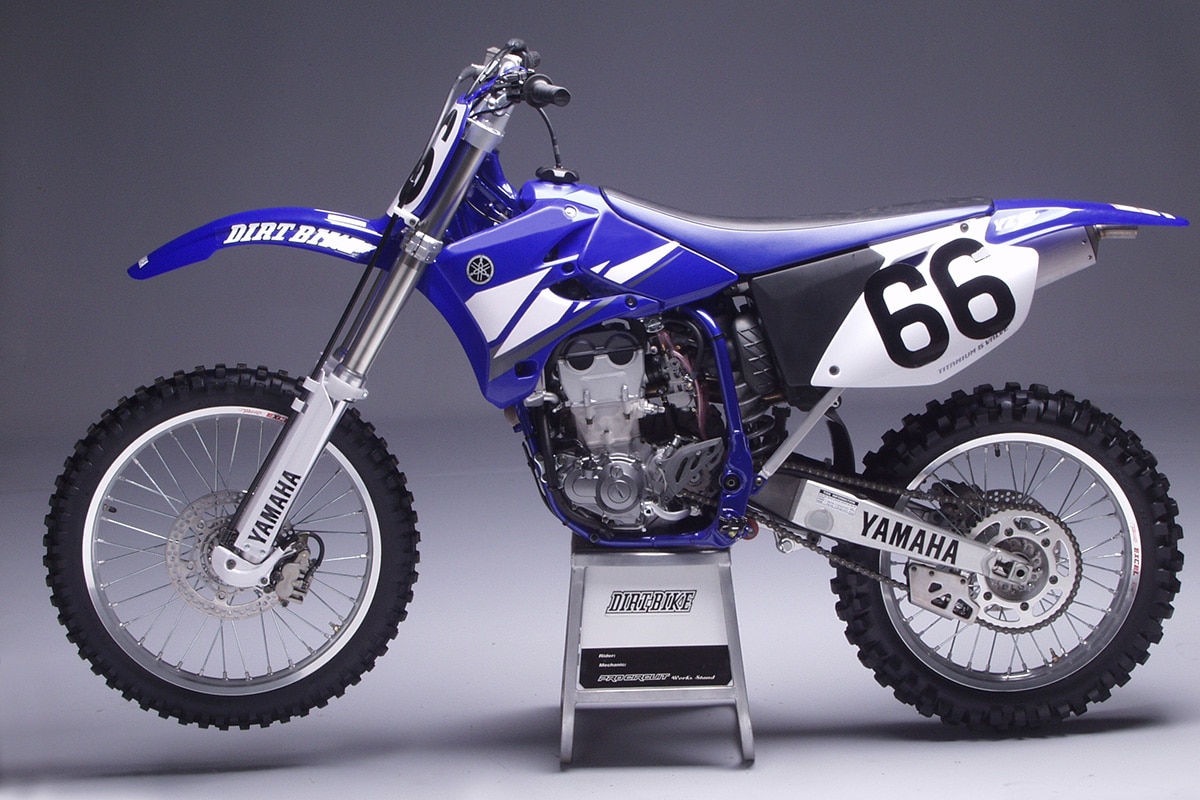
MISS: 2003 YAMAHA YZ450F
We all know that Yamaha pushed the advancement of motocross bikes to a whole new level in 1998 with the first YZ400F. In 2002, however, Honda entered the game and Yamaha finally felt the pressure of competition. The 2003 YZ450F arrived and we were left wondering what happened? The four-speed YZ450F had none of the magic of the old 426 or the new Honda. It was powerful, but it didn’t handle as well and someone at Yamaha insisted it would be better without fifth gear. Oddly enough, Ty Davis and Russ Pearson thought it was a great desert bike, even without fifth gear. They used it to capture the AMA National Hare & Hound Championships in 2002 and 2003. That says more about Ty and Russ than about the bike, though.

HIT: 2005 YAMAHA YZ250
Yamaha could have walked away from the 250cc two-stroke like all the other Japanese makers. But, the YZ250 was too good to abandon. It was light, reliable and so well designed that it has survived on its own merits to this day with minimal change. In 2005 it got the aluminum central backbone frame. Since then there have been changes to suspension, bodywork, brakes and components, but the bike remains near the top of the two-stroke pecking order.
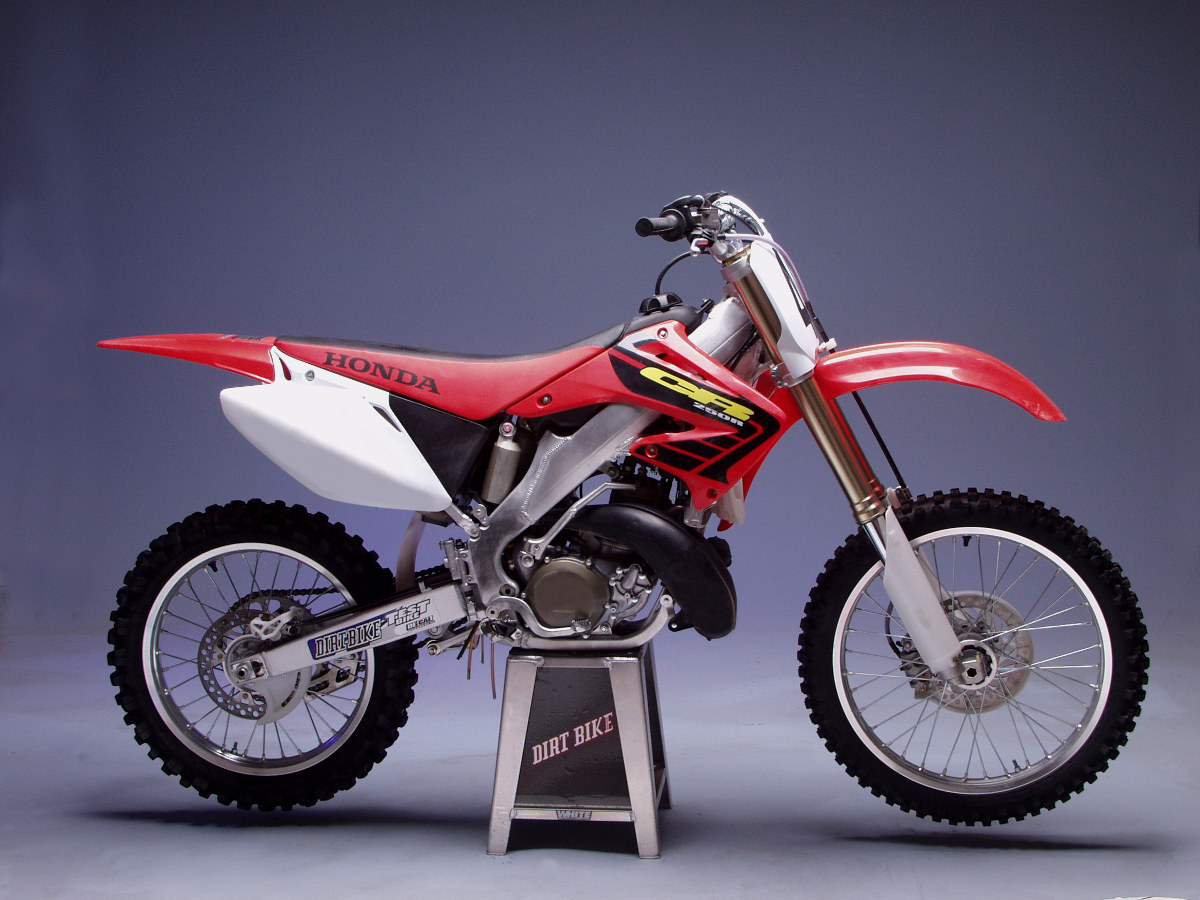
MISS: 2002 HONDA CR250R
Today, the final generation of Honda two-strokes (2002 through 2007) are highly sought after and command a healthy price on the used-bike market. At the time, however, the 2002 model was a disappointment. It was an all-new motor with an electronic power valve and it arrived with great expectations. But it failed to out-perform the Yamaha or Suzuki. Even worse, the Honda didn’t change in subsequent years while the other Japanese 250 two-stroke made further progress. Apparently, Honda had already decided to stop making two-strokes altogether. In retrospect, the 2002 CR250R had great potential. It’s just a shame that Honda didn’t pursue it.

HIT: 2008 SUZUKI RM-Z450
At the time, we didn’t appreciate the ‘08 Suzuki like we should have. It was the first mainstream motocross bike to use fuel-injection. We didn’t see the immediate benefit, but the technology that Suzuki pioneered opened the door to a new world of technology that is still expanding and providing more benefits to this day. Plus, that Suzuki had legs. It was the platform for the bike that Chad Reed and Ryan Dungey used to win their first 450 championships and when it comes right down to it, it isn’t that different from the bike that Kickstart Kenny used to win the 2026 Supercross title.

MISS: 2004 SUZUKI RM-Z250 (& 2004 KAWASAKI KX250F)
This was a very strange chapter in MX history. In 2004, Suzuki and Kawasaki were feeling the pressure of Yamaha’s engineering success with the YZ400F and YZ250F. They combined forces to create what should have been the ultimate 250 four-stroke. Kawasaki built the motor according to Suzuki’s blueprints, but the marriage wasn’t made in heaven. The bike was unreliable, overweight and not especially fast. Kawasaki made its own KX250F by 2006, but Suzuki stuck with the bike (which was assembled in Kawasaki’s plant) a year longer. That had to be awkward.

HIT: 2009 70-DEGREE HUSABERG
In the early 2000s, Husaberg was to KTM what Skunk Works was to NASA. While KTM went about its daily business of making dirt bikes, there was a small group of engineers tucked away in Sweden doing nothing but thinking. The 2009 Husaberg four-stroke had one prime directive: centralize the mass. They placed the crank in the exact center of the bike and then attempted to place as much of the bike’s non-rotating weight as close around that point as possible. In order to do this, the crank was placed over the gearbox, and the top end was angled forward at 70 degrees. Guess what? It worked! The 2009 FE450 wasn’t the final chapter in the Husaberg story, but it was the last true product of the Swedish brain trust. The concept of mass centralization, however, proved itself, and was incorporated into many of the bikes we ride today. In 2013, KTM acquired Husqvarna and discontinued the use of the Husaberg name. But, the contribution that Husaberg made to KTM’s rise can’t be understated.

MISS: HIGHLAND MOTORCYCLES
Not many people know the story of Highland Motorcycles. For those who saw it unfold in real time, it’s a true heartbreak. Highland was a genuine American motorcycle company brought to life through the sheer tenacity of Swedish engineer Mats Malmberg. In 2009 the company had all the pieces in place to produce state-of-the-art dirt bikes and adventure bikes in the heartland of America. Along the way, there were twists and turns that led through various chapters that you can read about here in a story penned by Gunnar Lindstrom. The whole saga ended in a fiery tragedy in 2010 when Mats and two executives were killed in a plane crash. Without them, there was no Highland to resurrect.
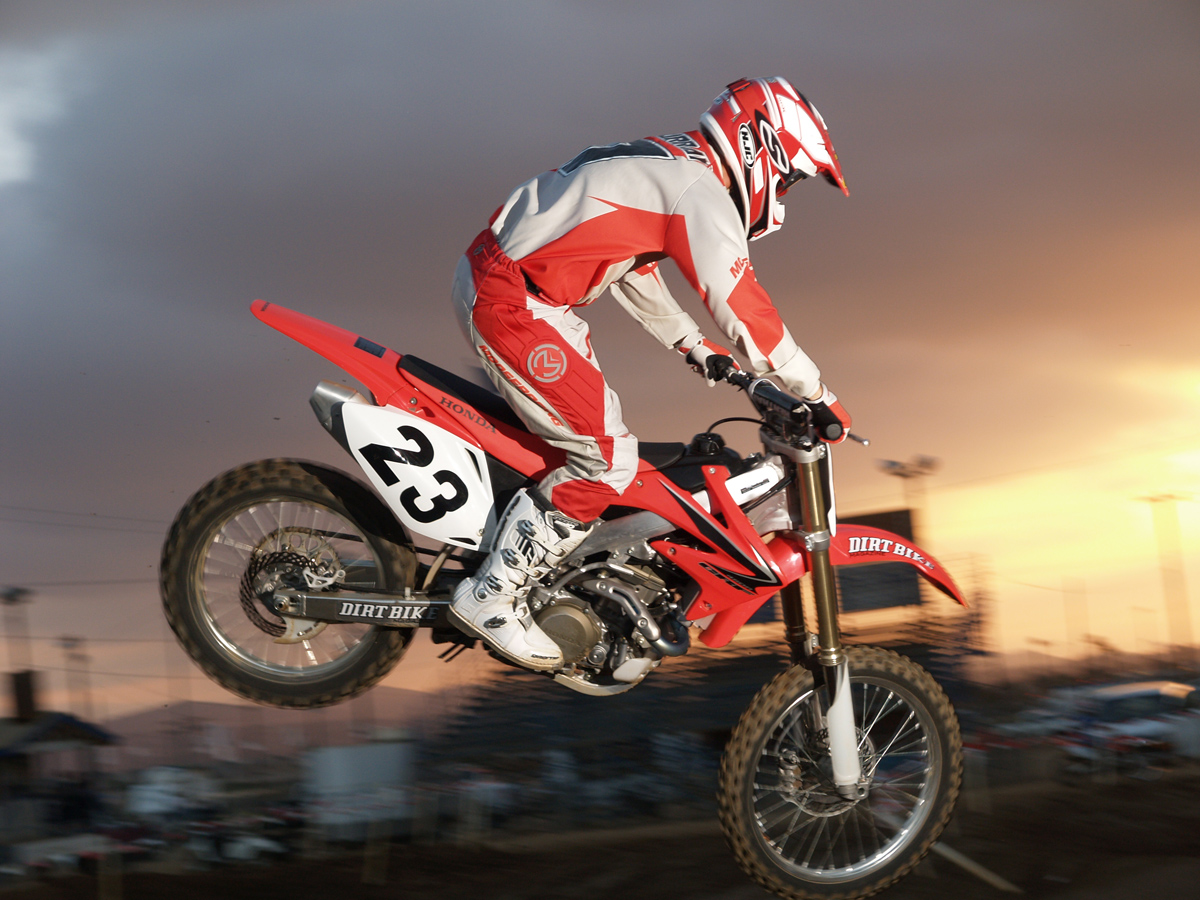
HIT: 2008 HONDA CR450R
Honda’s 2008 CRF450R was the greatest motorcycle of its decade. This wasn’t a motorcycle that introduced new technology or one that was even much different from previous years. But, it was the result of evolution and refinement that started with the 2002 Honda CRF450F. The result was a bike that set standards for years to come. If you have a good one, we know lots of people who will buy it.

MISS: 2009 HONDA CRF450R
Sadly, the 2009 CRF450R wasn’t just a poor replacement for the 2008 model, it was a step backwards. There had been a changing of the guard at Honda and the new people were given the task of making fuel-injection work on a totally new motor. They also had to lighten the package, and reliability went out the window as a result. Overall handling was nervous and the motor had an on-or-off nature that made it hard to ride. Honda struggled for years afterward, making incremental improvements while others were getting ahead by leaps and bounds.
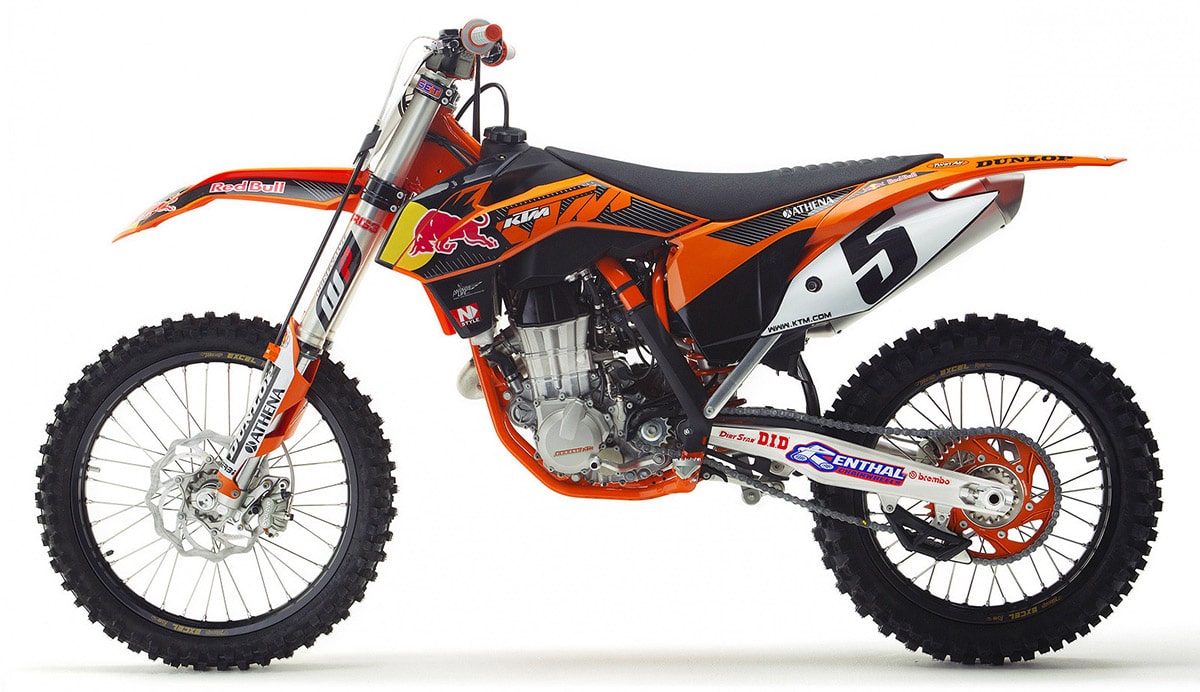
HIT: 2012 ½ KTM 450SX-F FACTORY EDITION
Ryan Dungey joined KTM prior to the 2012 season with the understanding that he would not be required to ride the existing 450. The 2012 ½ 450SXF Factory Edition was completely new and was nothing short of outstanding. It was a limited production special edition primarily seen as an end run around the production rule in AMA racing. Two things happened as a result: First, Ryan Dungey became the most consistently successful MX/SX rider over the next five years. Second, the concept of a Factory Edition established that U.S. riders were willing to pay a premium for a premium motorcycle, and special editions became a staple not only for KTM, but for other manufacturers as well.

MISS: 2008 KTM 505XCF, 450SXF
From 2008 to 2012, KTM didn’t have much of a plan. They had decided it was time for a new four-stroke platform, so the beloved RFC motors were replaced with … something else. The new double overhead cam, electric start motor that came in the 450 SX-F and the 505XC-F never lived up to expectations. At that time, KTM was still devoted to PDS suspension, even in motocross. KTM quickly abandoned the DOHC motor for its off-road bikes, but the MX guys had to wait for the 2012 ½ Factory Edition to get the same treatment, as well as linkage suspension.

HIT: 2018 SURRON LIGHT BEE
This machine is red meat for the “GET OFF MY LAWN” element in every neighborhood. Within every fist-shaking old man is an inner 14-year-old who wishes that the Surron had been around in 1975. Obviously, local authorities are struggling to come up with rules to deal with the invasion of e-motos that has defined suburban life in the U.S. today. But, the kids who are now infuriating local gardeners and generally misbehaving are developing a love for two wheels that will carry us into the future. And anything that keeps them off social media for the afternoon has got to be good.

MISS: 2012 ZERO MX
Back in 2012, Electric motorcycles were in their infancy. Zero appeared to have the holeshot. After a short period of experimentation with mountain bike components, the 2012 Zero MX was a real motorcycle. It had shortcomings, but it was a good start. Unfortunately, it went nowhere. Zero decided to pursue other avenues and abandoned the off-road market. Today, Zero is attempting to play catch up by offering yet another e-moto. But then who isn’t?

HIT: 2024 STARK VARG
Stark Future proved that you don’t have to be the first to be the most successful. After a short two years, the Stark Varg electric MX bike has thoroughly infiltrated motocross bikes all over America. With backing from Royal Enfield and a spark of inspiration, Stark has worked out most of the problems associated with electric motorcycles. Now, you can show up at a local race with a reasonable expectation of success. The key to getting riders on board with the whole electric concept, Stark discovered, is to offer a truly good motorcycle. It’s really that simple.

MISS: 2017 MUGEN E REX
At the 2017 Tokyo Motor show Mugen showed off the E-Rex; an electric MX bike with a dinosaur theme. Mugen is owned by Hiro Honda, the son of Honda founder Soichiro Honda, and is often used as a developer of new ideas for Honda. From that, we assumed that an electric Honda was right around the corner. Yet here we are almost 10 years later, and we still have nothing even rumored for production. From the outside, it seems that Honda really doesn’t like the idea. The styling of the E Rex , in particular, seems to say “you don’t want one of these, do you?”
See you next week